
App installieren
So wird die App in iOS installiert
Folge dem Video um zu sehen, wie unsere Website als Web-App auf dem Startbildschirm installiert werden kann.
Anmerkung: Diese Funktion ist in einigen Browsern möglicherweise nicht verfügbar.
Du verwendest einen veralteten Browser. Es ist möglich, dass diese oder andere Websites nicht korrekt angezeigt werden.
Du solltest ein Upgrade durchführen oder einen alternativen Browser verwenden.
Du solltest ein Upgrade durchführen oder einen alternativen Browser verwenden.
Benutzer, welche sich diesen Thread anschauen:
Gesamt: 1 (Mitglieder: 0, Gäste: 1)

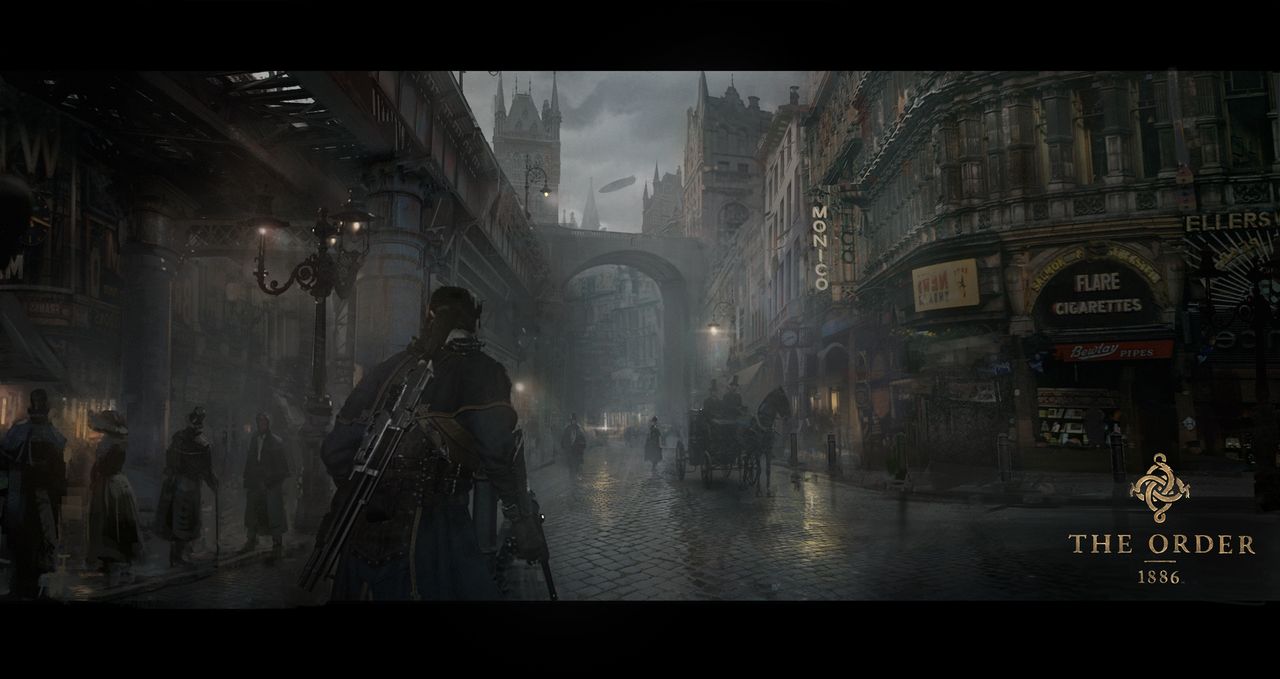
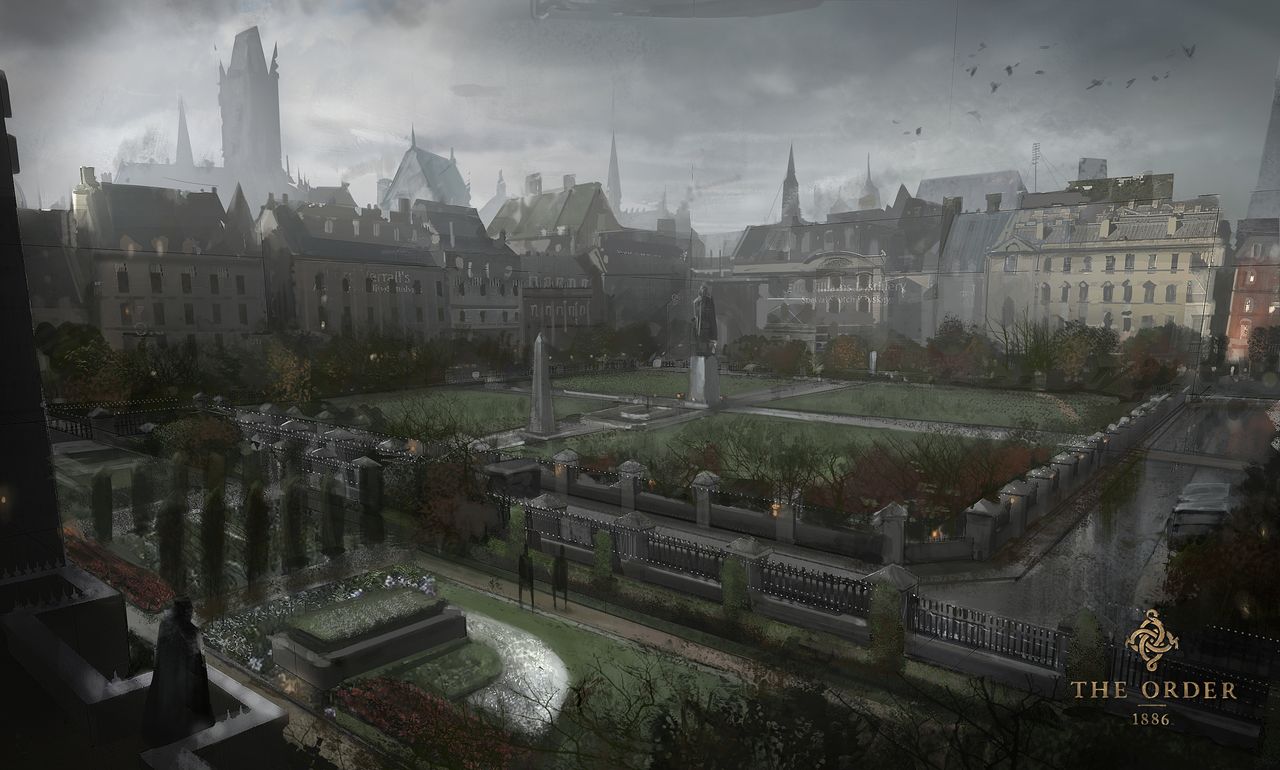
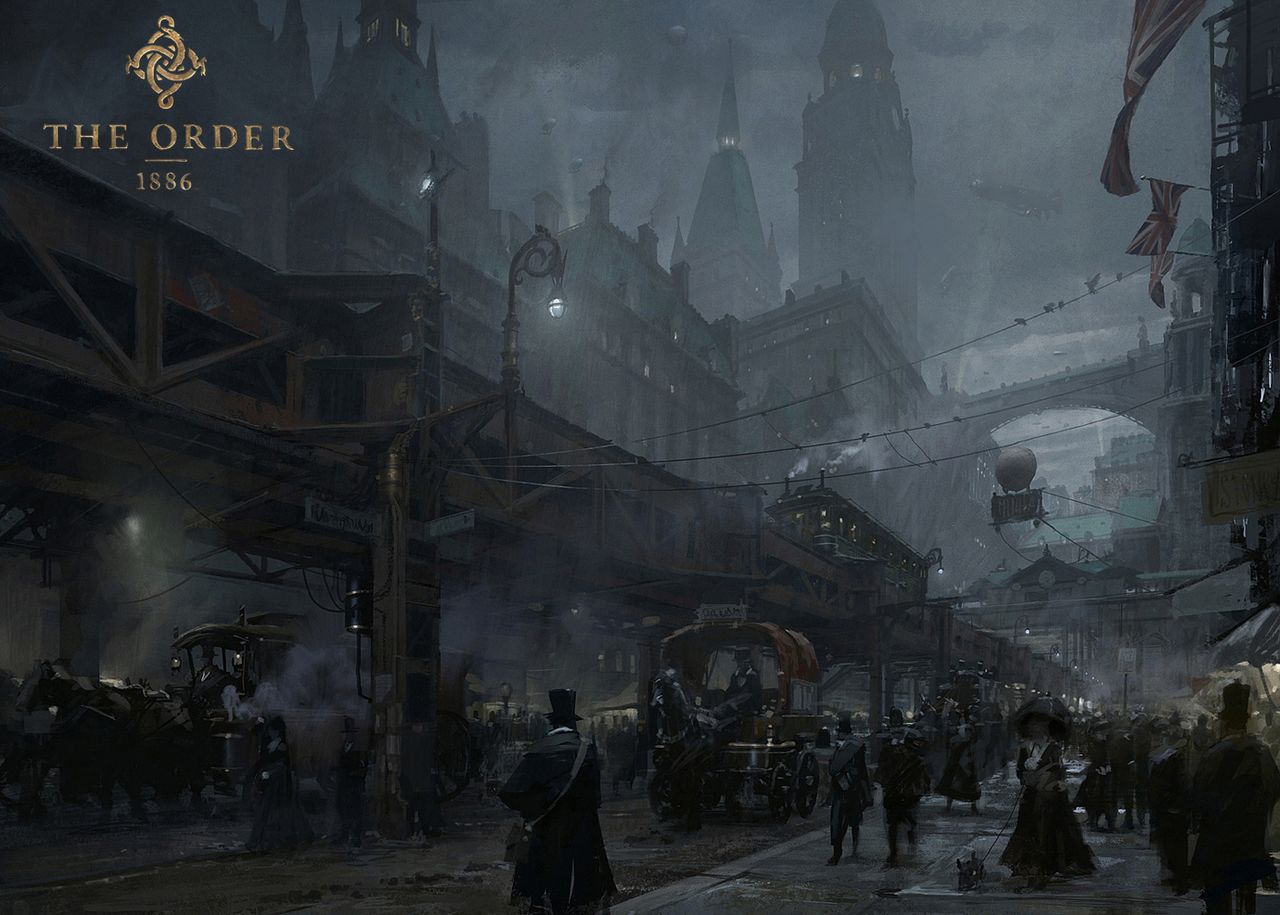


super setting. für mich das interessanteste ps4 spiel bisher 

Sieht echt geil aus

Türenmacher
IO Independent
Die Atmo ist total geil. Aber in diesem Szenario würde ich mir eher ein Spiel ala AC wünschen. So ein Meuchelmörderspiel mit kreativen Tötungswegen (als Jack the Ripper z.B.). Aber es muss ja für einen (wahrscheinlich stinknormalen) Shooter versemmelt werden.

dynosys schrieb:Am liebsten wäre mir ein reines Ego-Adventure, aber bei dem Setting nehme ich alles!
the sims: gloomy victorian london edition?
Ich hoff es ist Third Person.
Nen FPS mag ich nicht aber wirds wahrscheinlich um Resistance zu "ersetzen".
Nen FPS mag ich nicht aber wirds wahrscheinlich um Resistance zu "ersetzen".
Türenmacher
IO Independent
Dynamische Zerstörung an Bord:
Und es ist als 3rd-Person-Shooter bestätigt.
+
http://www.neogaf.com/forum/showthread.php?t=657629
The game has dynamic destruction, and while we’re not talking about Battlefield 4 levels of military bombast, Ready At Dawn’s surface and environmental destruction is rather impressive. We saw Weerasuriya jump into a stone courtyard and pumped rounds from the protagonist’s Combogun – an assault rifle and shotgun hybrid – into a brass fixture set into a wall. The object crumpled and imploded with force after each round found its mark, deforming it in real-time.
Und es ist als 3rd-Person-Shooter bestätigt.
+
What I can tell you is that the game looks brilliant, as in next-gen brilliant, not just a small leap in fidelity. We were treated to a fly-over through an underground plaza lined with pubs, meandering NPCs and street lamps so convincing you could almost hear the bulbs hum. At the end of the street sat a mosaic, with each raised tile impacting the way those lights dances across its surface.
http://www.neogaf.com/forum/showthread.php?t=657629
Hier der komplette Text ->
http://www.vg247.com/2013/08/21/ps4-gamescom-2013-sony-brings-its-next-gen-darlings-to-cologne/
Scheint also eine Tech-Granate zu werden, mit großem Fokus auf Physics. Sehr schön.
The Order: 1886
Ready At Dawn CEO Ru Weerasuriya addressed the games press in a behind closed doors presentation of the studio’s shooter The Order: 1886. The game was conceptualised in 2006 and was derived from short stories penned by Weerasuriya. It’s now a full-scale project with a 95-strong team and running on the bespoke RAD engine 4.0.
The Order is a third-person shooter, and it’s billed as the first game in a franchise of titles that may also spill out into other forms of media. Set in an alternate post-industrial revolution London, the game’s steampunk, almost Dickensian veneer was researched by a snap-happy studio trip to London, in which Weerasuriya and his crew took over 38,000 photos of the city.
Why? Well, the game’s core hook isn’t steampunk, or the arkane, or even those brilliant twirled moustaches we’ve seen so far. Those photos were actually research for both the game’s aesthetic design and the team’s material creation tools, as well as its bespoke ‘Abel’ physics engine. We were shown photos of zoomed-in cobblestones, of granite and gravel, each taken to make the world of The Order visually impressive, believable and most importantly – destructible.
The game has dynamic destruction, and while we’re not talking about Battlefield 4 levels of military bombast, Ready At Dawn’s surface and environmental destruction is rather impressive. We saw Weerasuriya jump into a stone courtyard and pumped rounds from the protagonist’s Combogun – an assault rifle and shotgun hybrid – into a brass fixture set into a wall. The object crumpled and imploded with force after each round found its mark, deforming it in real-time.
He then spawned in a bunch of teddy bears and went all Robocop on their stuffed asses, first blowing off a head, and then four limbs one at a time. This might sound like a gimmick, but we were all assured that dynamic destruction, texture warping and convincing object physics lie at the heart of The Order: 1886′s gameplay. When the crowd asked why, we were told it wasn’t yet time for that particular discussion.
What I can tell you is that the game looks brilliant, as in next-gen brilliant, not just a small leap in fidelity. We were treated to a fly-over through an underground plaza lined with pubs, meandering NPCs and street lamps so convincing you could almost hear the bulbs hum. At the end of the street sat a mosaic, with each raised tile impacting the way those lights dances across its surface.
This is what a large part of next-gen gaming is about; the dynamic factor, and The Order: 1886 already seems to have that in spades. It’s an intriguing project that both Sony and the developer are being coy about, but I’m intrigued to learn more, especially to see how on earth textures and destruction impact gameplay as Weerasuriya promised. I’m looking on with keen interest for some sort of clarity.
http://www.vg247.com/2013/08/21/ps4-gamescom-2013-sony-brings-its-next-gen-darlings-to-cologne/
Scheint also eine Tech-Granate zu werden, mit großem Fokus auf Physics. Sehr schön.

Gona_B_L8
I AM THE LAW
Neue Infos zu The Order: 1886 quelle: Gamefront
22.08.13 - Sony hat neue Details zum Actionspiel The Order: 1886 von Ready at Dawn bekanntgegeben. Das Neo-Viktorianische London ist der Handlungdort, und er wird dem Spieler sehr vertraut vorkommen. Aber fortgeschrittene Technologie wird das Hauptaugenmerk sein, wenn man durch die Stadt navigiert.
Eines der Hauptbeispiele ist die Einführung der Elektrizität in der Stadt, bevor sie eigentlich erfunden wurde. Gas-Lampen sind von elektrischen Straßenlampfen ersetzt worden. Egal wohin man geht, hört man das Summen der Elektrizität, die durch die Stadt fließt.
Das Londoner U-Bahn-System ist in der Vision der Welt bereits vorhanden, aber es ist weitaus fortgeschrittener als in der Realität. Manche Abschnitte des U-Bahn-Systems verlaufen auf der Oberfläche, zwischen Häusern, durch die ganze Stadt. Elektrische Zeichen markieren die Straßen, und lassen einige Orte in London wie den Time Square aussehen.
Eine weitere große Änderung, die man beobachten kann, ist die Skyline von London. Obwohl die altgewohnten Sehenswürdigkeiten wie der Big Ben, St. Paul’s und die Tower Bridge noch präsent sind, ragen hie und da so genannte Watch Towers hervor.
Deren Suchlichter suchen immerzu die Stadt und den Himmel ab. Die andere Änderung in der Skyline ist die ständige Präsenz von Türmen, die als Anlegeplätze für Zeppeline dienen. Im London von The Order: 1886, patroullieren Tag und Nacht ein Schwadrone von Luftschiffen namens The Sentinels.
Diese Änderungen sind das Resultat der industriellen Revolution, die Chance der Menschheit, die Oberhand in einem jahrhundertealten Krieg zu gewinnen. Die Menschheit hat nun Zugriff auf fortgeschrittene Waffen, eine von denen, die der Spieler im Trailer bereits gesehen hat – ein Gewehr, das Elektrizität abfeuern kann.
Communicators geben dem Spieler die Möglichkeit, mit seinem Team zu kommunizieren. Die Schweiß-Pistole erlaubt es ihm, eine entflammbare Wolke abzufeuern, die von einer Flamme oder einem Schuss entzündet werden kann. Im Kontrast zu diesen hochentwickelten Waffen, kann man auch traditionelle Waffen mit Schwarzpulver benutzen.
Dies soll der Welt mehr Realismus und Glaubwürdigkeit verleihen und die Atmosphäre schmutziger und greifbarer machen, so dass der Spieler an die reale post-industrielle Revolution in Europa erinnert wird.
22.08.13 - Sony hat neue Details zum Actionspiel The Order: 1886 von Ready at Dawn bekanntgegeben. Das Neo-Viktorianische London ist der Handlungdort, und er wird dem Spieler sehr vertraut vorkommen. Aber fortgeschrittene Technologie wird das Hauptaugenmerk sein, wenn man durch die Stadt navigiert.
Eines der Hauptbeispiele ist die Einführung der Elektrizität in der Stadt, bevor sie eigentlich erfunden wurde. Gas-Lampen sind von elektrischen Straßenlampfen ersetzt worden. Egal wohin man geht, hört man das Summen der Elektrizität, die durch die Stadt fließt.
Das Londoner U-Bahn-System ist in der Vision der Welt bereits vorhanden, aber es ist weitaus fortgeschrittener als in der Realität. Manche Abschnitte des U-Bahn-Systems verlaufen auf der Oberfläche, zwischen Häusern, durch die ganze Stadt. Elektrische Zeichen markieren die Straßen, und lassen einige Orte in London wie den Time Square aussehen.
Eine weitere große Änderung, die man beobachten kann, ist die Skyline von London. Obwohl die altgewohnten Sehenswürdigkeiten wie der Big Ben, St. Paul’s und die Tower Bridge noch präsent sind, ragen hie und da so genannte Watch Towers hervor.
Deren Suchlichter suchen immerzu die Stadt und den Himmel ab. Die andere Änderung in der Skyline ist die ständige Präsenz von Türmen, die als Anlegeplätze für Zeppeline dienen. Im London von The Order: 1886, patroullieren Tag und Nacht ein Schwadrone von Luftschiffen namens The Sentinels.
Diese Änderungen sind das Resultat der industriellen Revolution, die Chance der Menschheit, die Oberhand in einem jahrhundertealten Krieg zu gewinnen. Die Menschheit hat nun Zugriff auf fortgeschrittene Waffen, eine von denen, die der Spieler im Trailer bereits gesehen hat – ein Gewehr, das Elektrizität abfeuern kann.
Communicators geben dem Spieler die Möglichkeit, mit seinem Team zu kommunizieren. Die Schweiß-Pistole erlaubt es ihm, eine entflammbare Wolke abzufeuern, die von einer Flamme oder einem Schuss entzündet werden kann. Im Kontrast zu diesen hochentwickelten Waffen, kann man auch traditionelle Waffen mit Schwarzpulver benutzen.
Dies soll der Welt mehr Realismus und Glaubwürdigkeit verleihen und die Atmosphäre schmutziger und greifbarer machen, so dass der Spieler an die reale post-industrielle Revolution in Europa erinnert wird.
G
Gelöschte Mitglieder 688
Gast
Klingt so als könnte es auch ein BadAss Action mässiges Gears of War ähnlicher Shooter werden (allerdings sicher ohne massiver Deckungsfunktion)
G
Gelöschte Mitglieder 688
Gast
Seit nunmehr sieben Jahren schwirrt den Jungs und Mädels von Ready at Dawn die Idee zu The Order 1886 im Kopf herum. Doch erst jetzt nimmt diese Vision Gestalt an und soll noch 2014 in einem überzeugenden Spiel münden. Ob dieser Wunsch in Erfüllung geht, können wir noch nicht sagen. Denn statt erste Gameplay-Eindrücke zu präsentieren, demonstrierte man lieber die neu entwickelte Physik-Engine und deren Besonderheiten.
Trotz der halbstündigen Präsentation blieben viele Fragen zu The Order 1886 unbeantwortet. Fest steht, dass der Titel in London angesiedelt ist und nach der Industriellen Revolution spielt. In der Beziehung gibt es also nichts Neues zu berichten. Stattdessen wollte man unter Beweis stellen, mit welcher Akribie an dem PlayStation-4-exklusiven Spiel gearbeitet wird. Viele der Entwickler reisten eigens in die Hauptstadt Großbritanniens, um jedes noch so kleine Detail zu studieren. Das Fotografieren von verrosteten Torbögen und Kopfsteinpflaster stand auf dem Tagesprogramm.
Nach der kleinen Diashow zeigte man uns ein in Echtzeit berechnetes Video, in dem das womöglich erste Level aus dem Spiel zu sehen war. Wir sahen eine äußerst prachtvolle Vorhalle, in der sich ein paar Menschen tummelten. An einer Wand prangte ein riesiges Mosaik aus vielen tausend Teilen. Jedes davon reflektierte das Licht auf andere Weise, was von der großen Detailverliebtheit der Entwickler zeugt.
Danach äußerte man sich über die neu entwickelte Physik-Engine, die auf den Namen ABEL hört. Durch diese sollen Objekte noch plastischer wirken und durch äußere Einwirkungen auf unterschiedliche Art und Weise deformiert werden können. Dies wurde anhand einer Tech-Demo veranschaulicht. Einer der Verantwortlichen steuerte den mutmaßlichen Protagonisten durch ein äußerst steril gehaltenes Level. Ein einfacher Zaun diente als Versuchsobjekt. Mittels Schrotflinte wurde dieser regelrecht auseinandergenommen. Dank der neuen Engine soll sich jedes Objekt physikalisch korrekt zur Krafteinwirkung des Schusses verhalten und sich nicht einfach in Luft auflösen oder im Boden versinken.
Die zweite Tech-Demo ging näher auf die Verformung von Gegenständen ein. Dazu wurden diverse metallene Objekte in einem äußerst überschaubaren Areal platziert. Durch gezielte Schüsse hat sich das Metall entsprechend verformt. Seitens des Entwicklers wurde betont, dass das gezeigte Material keinerlei Spielmechaniken repräsentiere. Nichtsdestotrotz liegt die Schlussfolgerung nahe, dass The Order 1886 ein klassischer Third-Person-Shooter wird.
Gameswelt.de


wann soll das kommem?

http://www.eurogamer.net/articles/2013-08-29-how-uncharted-influenced-ps4-exclusive-the-order-1886
recht langer artikel, gibt aber einen netten einblick in die künstlerische ausrichtung.
"Graphically it's not a question of making things look better because it's a new generation. It's not in how many polygons or how much better the fidelity is. It's those little techniques like chromatic aberration, like lens distortion.
"How do we build lighting and atmosphere around lighting? On movie sets lights are not just lights. They have a light, but they create with smoke or whatever an atmosphere to give this glow to the light that is kinda fake, but in movies you excuse it because you expect it and it's really cool. You're like, wow, that shot has so much depth. It's got atmosphere. It's got thickness. It's got grittiness. That was the stuff we wanted to bring to games.
"That's filmic."
recht langer artikel, gibt aber einen netten einblick in die künstlerische ausrichtung.

mnk schrieb:recht langer artikel, gibt aber einen netten einblick in die künstlerische ausrichtung.
His passion for the "filmic", for history and for London is matched by his passion for the Uncharted series, created by his fellow Californians at Naughty Dog. He won't copy Nathan Drake's adventures - rather, he wants to rekindle that feeling, that "wow!", we all had upon completing them.
Und das klingt einfach fantastisch. Lässt mir das Wasser im Mund zusammenlaufen und ich hoffe, dass wir dieses Spiel nochmal vor der E3 2014 zu Gesicht bekommen. Das, zusammen mit der Power der PS4 und der versprochenen Physic Engine...

Ob Ready at Dawn, mit The Order, das PS4 Äquivalent zu Naughty Dogs Erfolgsstory auf der PS3 wird?
Ähnliche Themen


- Antworten
- 4
- Aufrufe
- 754

- Antworten
- 3
- Aufrufe
- 878

- Antworten
- 7
- Aufrufe
- 580
