Foren Aktuelles Erstellen Mitglieder Anmelden

PC Oculus Rift - VR

Benutzer, welche sich diesen Thread anschauen:

Warum gehen alle davon aus, dass es nur eine Version geben wird? Die können doch genauso eins für 300€ und eins für 99€ rausbringen.

Weil es für alles hintendran keinen Sinn macht. Glaubst du, Software wird doppelt optimiert?

Davon abgesehen musst du doppelt entwickeln, doppelt verhandeln, doppelt produzieren lassen, doppeltes (gezieltes) Marketing...
 
Abseits des Gamings, ja, durchaus. Nur interessiert das die meisten Gamer nicht wirklich. Die wollen ihren Gaming Fokus und da sehe ich bei SCE aktuell die größten Chancen, als Unternehmen welches auf diesen Markt auch wirklich fokussiert ist.

Aber mal schauen, was da mit Facebook + Oculus wirklich rauskommt. Wenn sie die Hardware im bisher geplanten High End Format bringen (Resolution over 1080p, minimum 90 FPS und noch weniger Latenz), ohne irgendwelche seltsamen Facebook Software Interfaces, dann ist ja nach wie vor alles in Butter.

Wenn sich VR abseits des Gamings durchsetzt, wird es sich auch anschließend bzw. mehr oder weniger gleichzeitig auch im Gaming auf allen Plattformen durchsetzen. Da kannst du mich in den nächsten Jahren gerne zitieren. :P
Es wäre ein erheblicher Aufwind für Sony bzw. VR im Gaming, wenn Facebook VR-Erfahrungen veröffentlichen würde, die jedermann haben will. Das muss technisch nicht sonderlich beeindruckend sein. Dann kann VR gar nicht mehr scheitern. OculusVR wäre alleine wahrscheinlich gescheitert. Bei Sony wäre das eine wackelige Angelegenheit und ein großes Risiko.

Ich sage es wird so kommen: Facebook macht eine VR-Brille mit Mass Appeal, andere Hersteller ziehen nach. VR-Brillen werden nicht hardwaregebunden sein. Sony veröffentlicht die erste ernstzunehmende Gaming-Brille und der Stein kommt ins Rollen.
 
Ich spring mal hier in den Fred - passt irgendwie besser für die Diskussion:

Palmer verteidigt sich auf reddit - knapp 5000 Kommentare....

I’ve always loved games. They’re windows into worlds that let us travel somewhere fantastic. My foray into virtual reality was driven by a desire to enhance my gaming experience; to make my rig more than just a window to these worlds, to actually let me step inside them. As time went on, I realized that VR technology wasn’t just possible, it was almost ready to move into the mainstream. All it needed was the right push.

We started Oculus VR with the vision of making virtual reality affordable and accessible, to allow everyone to experience the impossible. With the help of an incredible community, we’ve received orders for over 75,000 development kits from game developers, content creators, and artists around the world. When Facebook first approached us about partnering, I was skeptical. As I learned more about the company and its vision and spoke with Mark, the partnership not only made sense, but became the clear and obvious path to delivering virtual reality to everyone. Facebook was founded with the vision of making the world a more connected place. Virtual reality is a medium that allows us to share experiences with others in ways that were never before possible.

Facebook is run in an open way that’s aligned with Oculus’ culture. Over the last decade, Mark and Facebook have been champions of open software and hardware, pushing the envelope of innovation for the entire tech industry. As Facebook has grown, they’ve continued to invest in efforts like with the Open Compute Project, their initiative that aims to drive innovation and reduce the cost of computing infrastructure across the industry. This is a team that’s used to making bold bets on the future.

In the end, I kept coming back to a question we always ask ourselves every day at Oculus: what’s best for the future of virtual reality? Partnering with Mark and the Facebook team is a unique and powerful opportunity. The partnership accelerates our vision, allows us to execute on some of our most creative ideas and take risks that were otherwise impossible. Most importantly, it means a better Oculus Rift with fewer compromises even faster than we anticipated.

Very little changes day-to-day at Oculus, although we’ll have substantially more resources to build the right team. If you want to come work on these hard problems in computer vision, graphics, input, and audio, please apply!

This is a special moment for the gaming industry — Oculus’ somewhat unpredictable future just became crystal clear: virtual reality is coming, and it’s going to change the way we play games forever.

I’m obsessed with VR. I spend every day pushing further, and every night dreaming of where we are going. Even in my wildest dreams, I never imagined we’d come so far so fast.

I’m proud to be a member of this community — thank you all for carrying virtual reality and gaming forward and trusting in us to deliver. We won’t let you down.

Einer der alles Ausdrückt was ich darüber denke - steht gleich in den Top Kommentaren:

[–]nononowtf 143 Punkte 7 Stunden zuvor*

I honestly thought Palmer had a chance to be the next Steve Jobs. Now he'll most likely be relegated to a footnote in VR history.

Not everyone would agree, but that opportunity seemed to be worth more than $2bn... it seemed incalculable. Few people get a chance to bring something truly transformative and visionary into the world. Now the brand will fade, the glory will ebb away, and Palmer will be forgotten.

Edit: After my initial anger and disappointment, I want to point out that I think Palmer may have gotten railroaded here. Please read this Wall Street Journal interview with CEO Brendan Iribe to see how the deal went down.

http://www.reddit.com/r/oculus/comments/21dy3k/wsj_irebe_i_would_never_have_imagined_we_could/

Interessant ist der letzte Edit - der sich auf diesen Wall Street Journal Eintrag bezieht - die Preisfrage ist ob Lucky überhaupt groß gefragt wurde - oder wie oben benannt "railroaded" bzw. "eingenordet" wurde:

Oculus CEO Describes Rapid Sale to Facebook
ByIan Sherr
BN-CC022_iribe_D_20140325211232.jpg

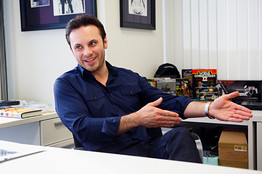
Brendan Iribe, CEO of Oculus VR.
Oculus VR
Oculus VR has been a center of fascination in the videogame industry since it was announced two years ago. Now, it’s going to become a part of Facebook.

The way a virtual reality device company became a part of the world’s largest social network began as an introduction, a few emails and eventually became a marathon negotiation to acquisition.

Brendan Irebe, Oculus’s chief executive, said in a conversation with the Wall Street Journal that his primary concern was ensuring his team remained independent and had enough capital to invest in compelling content. Mark Zuckerberg, he said, shared that vision.

Edited excerpts:

WSJ: How did all this happen?

Brendan Irebe: If you know the history, I got introduced to (founder) Palmer Luckey. And we got together, and Palmer had plans to launch a Kickstarter all by himself. He had made a little video of himself talking about it.

When we saw that, and we said “Hey, Palmer, if you work with us, and we got in there, we could actually help you launch this faster, bigger and better. And we could make it more accessible to people by making it a real developer kit and not a do-it-yourself kit and there were all these things we brought to the table.”

When we met Mark (late last year), a lot of things started to resonate.

WSJ: One thing we’ve heard from game makers is that you can’t just take a normal videogame and make it work with Oculus. It needs specialized content that costs money to make.

Irebe: Yes…. Making virtual reality content, it’s a new medium and it’s actually more of a new computing platform and medium than we’ve seen in an incredibly long time. I tend to think of it like as big as the beginning of the computer, where in the beginning you had the first computer, and suddenly you had this 2-D monitor connected to a computer, and you could do this incredible new digital technology and applications and entertainment and experiences but all trapped within a 2-D monitor.

Now with virtual reality, you can replace the vision and you can replace your eyes and do it comfortably, this is it. This is the final platform and place you can go. Once you replace your vision and can completely change everything you look at and that you see and you can bring in your own hands and other people and other avatars and have this shared sense of a new universe and a new possible experience, this is it.

WSJ: How did the deal come together?

Irebe: About a week and a half ago, Mark and I were talking and Mark said, “I think we can get behind this and help you guys, and at the same time completely leave you independent and doing it your own way.” That resonated with us and we talked down to discuss it some more. And he said if we’re going to do this, we’d like to just do this really quickly.

We locked ourselves in the Facebook HQ and just got the deal done really fast. To make this happen, and not disrupt the team. We don’t want to go through months of some kind of negotiations.

We put out a set of terms that said if we’re really going to do this together, this is what we think it would take, and this is the commitment you need to make: Leaving us independent and investing in the platform.

Mark took it back to his team, went through the motions on it, and said “I’m not sure what everyone in the world’s going to think about this, but I believe in it so much, I’m willing to make this leap with you guys and I really believe we can deliver this next incredible computing platform together. So, and I’m being really honest here, if you guys will agree to these terms that you asked for, and we can do this fast, I think we can get this done in a few days.”

I would never have imagined we could have gotten this thing done in a few days. But the Facebook and their commitment to just moving fast, which is our commitment to moving fast, we locked ourselves up, we didn’t sleep for many hours, just a few hours, we didn’t sleep for a few days, and we came out of it even happier about the relationship.”

 
Ich habe meine VR Erfahrungen ja schon, wie vielleicht auch andere hier, mit dem VFX1 Helm von Forte gemacht. Für knapp 2000 DM und mit einer wirklich niedrigen Auflösung. Und auch wenn man landläufig der Meinung ist, dass der hohe Preis, sowie die niedrige Auflösung für das Scheitern verantwortlich war, so empfand ich damals andere Dinge verbesserungswürdiger. Dinge für die Kinect praktisch prädistiniert ist, wenn man von Immersion spricht. Ich werde deshalb abwarten ob, was und wie Microsoft anbieten wird.

Bei Facebook könnte ich mir aber gut vorstellen, dass man OR vom VR Helm auf eine Datenbrille wie Google Glass runterbricht.
 
Das ist ja mal der abwegigste Gedanke überhaupt. Auch Facebook geht es um VR nur eben zum Social Networking. Ne Datenbrille ist ja mal was absolut und vollkommen anderes.

Abgesehen davon würde mich mal interessieren weshalb genau Kinect für VR prädestiniert ist?
 
Meine Güte - Lucky sinkt grade gewaltig nach unten:
The future of VR von palmerluckeyin oculus
[–]palmerluckey[S] -9 Punkte 3 Stunden zuvor*

What does this mean in terms of data collection on FB's end? Will us early Oculus users have to mitigate the NSA everytime we decide to jack in?

Nothing changes. Keep in mind that Mark Zuckerberg has publicly spoken against NSA surveillance.

Jaaaa klar - der Unterschied zwischen pseudopr wenn der Hund bereits gegessen ist und vorher mal das Maul aufmachen ist.....Kohle und Macht!

Lucky Palmer der Unternehmensgründer ist tot - er ist ne reine PR Leiche, wenn er da überhaupt selbst tippert. Das liest sich alles wie PR superkacksülze:

http://www.reddit.com/user/palmerluckey


--------------------------------
Ich bin da raus. Ich finde das irgendwie als Schlag in die Fresse.

Ich habe das Projekt gebackt, weil ich an den Gründer geglaubt habe. Für mich war der ein typischer Unternehmensgründer, mit einer tollen Vision, Frei - nur auf die Community und seinem "Herz" höhrend. Absolut glaubhaft von der Vision getrieben das beste VR Erlebnis zu erzeugen.

Am Deal mit FB ist so alles falsch - ich habs schon im anderen Thread gepostet - hier mal der obige Auszug aus dem WSJ - das klingt alles extrem überhastet und als ob der CEO nur schnell Kohle machen wollte, vielleicht hatte der Schiss vor Sony:


Auszug - hab mal Fett markiert was ich dabei recht heftig finde:
WSJ: How did the deal come together?

Irebe: About a week and a half ago, Mark and I were talking and Mark said, “I think we can get behind this and help you guys, and at the same time completely leave you independent and doing it your own way.” That resonated with us and we talked down to discuss it some more. And he said if we’re going to do this, we’d like to just do this really quickly.

We locked ourselves in the Facebook HQ and just got the deal done really fast. To make this happen, and not disrupt the team. We don’t want to go through months of some kind of negotiations.

We put out a set of terms that said if we’re really going to do this together, this is what we think it would take, and this is the commitment you need to make: Leaving us independent and investing in the platform.

Mark took it back to his team, went through the motions on it, and said “I’m not sure what everyone in the world’s going to think about this, but I believe in it so much, I’m willing to make this leap with you guys and I really believe we can deliver this next incredible computing platform together. So, and I’m being really honest here, if you guys will agree to these terms that you asked for, and we can do this fast, I think we can get this done in a few days.”

I would never have imagined we could have gotten this thing done in a few days. But the Facebook and their commitment to just moving fast, which is our commitment to moving fast, we locked ourselves up, we didn’t sleep for many hours, just a few hours, we didn’t sleep for a few days, and we came out of it even happier about the relationship.”

Klar, ohne viel Schlaf machen sich Mrd. Verträge auch ganz einfach mal so - Unabhänigkeit garantiert - mit sicherheit nicht.

Ich habe das Kickstarter Projekt sehr genossen - grade die Infopolitik war da so toll, die community, die ständigen News wie die Jungs nachts in China gehockt und die ersten Prototypen gefrickelt hatten - das war ein wunderbarer Einblick in eine Firmengründung gesehen. Regelrecht unbezahlbar und man fühlte sich irgendwie als Teil des ganzen.

Irgendwie hatte ich daran geglaubt und meine Freude daran hier einen nächsten Microsoft, Google, FB, Kozern wachsen zu sehen und irgendwie von Stunde 0 an dabei zu sein.

Das ist nun alles vorbei, das wird es so nicht mehr geben.

Ernsthaft: Würde ich mir freiwillig ne Treibersoftware auf meinem Rechner packen wollen von einer Firma die FB gehört? Nicht wirklich.
 
Zuletzt bearbeitet:
Das ist ja mal der abwegigste Gedanke überhaupt. Auch Facebook geht es um VR nur eben zum Social Networking. Ne Datenbrille ist ja mal was absolut und vollkommen anderes.

Abgesehen davon würde mich mal interessieren weshalb genau Kinect für VR prädestiniert ist?

Also meine Meinung ist, dass Facebook über keine ausreichende Ressourcen verfügt, um VR und Social Networking zu einem erfolgreichen Konzept zu verbinden, wohl aber auf genug Big Data Zugriff hat, die eine Datenbrille (vorerst) sinnvoller erscheinen lässt.

Warum ich Kinect im VR-Segment für prädistiniert halte liegt daran, dass das Konzept von Sony schon vor 20 Jahren viel Luft nach oben hatte, um eine höhere Immersion zu gewähleisten. Man war damals (ich auch) schon der Meinung, dass irgendwann eine Lösung kommen müsste, die den Cyberpuck (Move Controller) überflüssig macht, bzw. man weiterhin das konventionelle Gamepad als Eingabegerät in der Hand hält und diverse Dinge über Sprach- und Bewegungserkennung erfasst. Das die Bildqualität künftig durch mehr Hardware-Leistung und höherer Auflösung besser würde, war ja klar. Das steigert aber nicht die Immersion und das konnte man eben schon mit dem VFX1 in Erfahrung bringen.
 
Dazu hatte ich schon mal was im Morpheus Thread geschrieben:

VR wird ohne ein spezielles Zimmer oder Vorrichtung überwiegend stationär gespielt - d.h. man sitzt oder steht. Die Bewegung der Beine muss weiterhin über einen Analogstick erfolgen genauso wie man Tasten braucht um bestimmte Aktionen wie Springen oder Schießen auszulösen. Man wird also so oder so nicht darum herum kommen etwas in den Händen zu halten. Zusätzlich brauchst du für eine gute Immersion auch ein Feedback aus der Spielwelt. Das ist mit Rumble gegeben (zwar nicht optimal aber deutlich besser als wenn man gar nichts hat wie es bei Kinect der Fall wäre.) Letztlich ist Move auch noch unglaublich präzise. Kann sein, dass Kinect 2.0 das auch wäre - aber weiß man nicht. Bei Move hat man in dieser Hinsicht Gewissheit.

Bzgl. der Datenbrille: dazu braucht es doch kein OR. Ne Datenbrille ist doch was komplett anderes mit vollkommen anderem Fokus und anderer Technik. Wieso sollten sie ein VR Unternehmen kaufen wenn sie was komplett anderes vorhaben? Das macht absolut keinen Sinn. Die sehen auch in VR die Zukunft -aber eben (oder vielleicht auch überwiegend) abseits von Spielen. Die wollen den Cyberspace für sich proklamieren und genau deshalb haben sie Oculus gekauft.
 
Eine kleine LED an Morpheus angebracht und das System funktioniert in Verbindung mit ihrer Cam sicher ziemlich gut und präzise. Bei Playroom sieht man ja schon, wie genau die Cam die Tiefenmessung des Raumes ausführen kann.

Ansonsten hätte Kinect den Vorteil, dass es die Arme und deren Bewegungen ohne Peripherie erkennen und umsetzen kann. Problem ist: wie interagiert man mit der Umwelt? Button-loses Gameplay ist kaum (für uns Gamer) möglich, wie Kinect selbst tragischerweise demonstriert.
 
Aber sagt mal, wenn die ps4 zuwenig power für vr hat, was wollen dann gewöhnliche facebook user mit einer vr brille? Das macht doch auch kein sinn, von 1 Milliarde fb user haben 1 Milliarde fb user keinen pc der für vr ausreichend ist. Wie passt das denn zusammen? Ich kanns mir nur erklären dass vr erst mal nichts mit facebook zu tun haben wird, ein deal für die Zukunft um sich vor google zu positionieren, ich geh davon aus dass facebook vor hat den content zu streamen, die werden da im Hintergrund etwas aufbauen, anders ist doch überhaupt kein markt für facebook vorhanden, da muss man sich doch dann fragen wieso sie so viel geld hingeblättert haben, das war ja richtig viel geld. So schlau werd ich also nicht draus.
 
Denke auch die haben hier eher für die Zukunft investiert...in ein paar Jahren werden selbst Tablets und co die nötige Power liefern um VR angemessen darstellen zu können. Und dann wird es weniger um billige Spiele, sondern vermutlich echt eher um sowas wie ein
Virtual Reality-Second Life-Facebook Crossover gehen.

"natürliche" Soziale Interaktion von zu Hause aus...
 
Ich glaube nicht dass facebook mit dem deal vorhat spiele zu entwickeln, die wollen daraus etwas anderes machen, second Life ähnliches, ne virtuelle Stadt quasi mit Kino, shoppen gehen, Musikladen usw. Ich denke so etwas wird facebook vorhaben.

Nebenbei gibts das rift für den pc, ich denke auch dass es 2 versionen geben wird bzw. Geben muss, ich glaube mit 300€ und mehr wirst du keinen nongamer dazu bringen die brille zu kaufen.
 
Deshalb speckt man die Hardware bzw. das eigentliche Ziel einfach ab. Die Hardware möglichst billig anbieten und als Zuspieler dient dann das Mobiltelefon mit FB-App :gerri: FarmVille VR, Selfies in 3D... Herrlich :waah:
 
Äh was?
Hier scheißen sich alle in die Hosen, weil sie Angst haben das jetzt die Gamesausrichtung verschwindet und du hoffst/willst das noch mehr Entwickelt von GAMES Notchs Beispiel folgen nich mehr für Oculus zu entwickeln?

*Applaus, Applaus*

Da ich eh nicht glaube das dies passieren wird, brauchste dich da nicht so reinsteigern. Ich fand die Aktion gut. Natürlich möchte ich nicht das durch diese Aktion (Facebook kauft OR) jetzt VR Geschichte ist. Ist ja auch dann schlecht für Sony, aber das mehr Leute generell Fuck U Facebook sagen wäre ein sehr schöner Gedanke.
 
Ich glaube nicht dass facebook mit dem deal vorhat spiele zu entwickeln, die wollen daraus etwas anderes machen, second Life ähnliches, ne virtuelle Stadt quasi mit Kino, shoppen gehen, Musikladen usw. Ich denke so etwas wird facebook vorhaben.

Nach dem WSJ Interview glaub ich die haben gar nichts darüber gedacht - das ist so hopplahop - "Mark" hat schlicht (noch) viel Geld, FB ist am abkacken, die verlieren grade Nutzerzahlen vor allem bei der Jugend - vermutlich geht der deshalb auf Shoppingtour um sein Kapital zu sichern.

Bezahlt wurde ja in Aktien - echt praktisch für FB, gehen die am Arsch bleibt dennoch die Firma, Lucky ist dann nicht nur seine Firma los sondern auch sein Kapital, wenn er nicht vorher verkauft. Blöd wenn da (wie üblich) ne Sperrklausel im Vertrag drin steht, dann ist nix mit Verkaufen.

Ging mir vor Jahren mal in meinem Konzern so, schönes Aktionsoptionspaket gehabt - leider mit einer Sperrfrist von 2 Jahren - das war kurz vor 2007..... der Rest der Geschichte sind 5000 verlorene Euro.

Ich glaub eher, das FB das haben wollte was was grade passiert - mediale Aufmerksamkeit und "VR" ist ja momentan so hip und cool.... für Oculus eine massive Abwertung, für FB eher eine Aufwertung des Image.
 
Ich glaub eher, das FB das haben wollte was was grade passiert - mediale Aufmerksamkeit und "VR" ist ja momentan so hip und cool.... für Oculus eine massive Abwertung, für FB eher eine Aufwertung des Image.

Da sprichst du einen guten Punkt an, denn durch den Facebook Deal ist Oculus scheinbar gerade ein massiver Image-Schaden unter der (Kern)Spielerschaft entstanden.
 
Zurück
Oben