"I left Mainz after 18 years and thought: 'Next time I will work with a little less of my heart.' I said that because we all cried for a week. The city gave us a goodbye party and it lasted a week. For a normal person that emotion is too much. I thought it's not healthy to work like this. But after one week at Dortmund it was the same situation. To find this twice, to be hit by good fortune, is very unusual."
"Bayern want a decade of success like Barça. That's OK if you have the money because it increases the possibility of success. But it's not guaranteed. We are not a supermarket but they want our players because they know we cannot pay them the same money. It could not be our way to do things like Real and Bayern and not think about taxes – and let the next generation pick up our problems. We need to work seriously and sensibly. We have this amount of money so we can pay that amount. But we lose players. Last year it was Shinji Kagawa."
"Shinji Kagawa is one of the best players in the world and he now plays 20 minutes at Manchester United – on the left wing! My heart breaks. Really, I have tears in my eyes. Central midfield is Shinji's best role. He's an offensive midfielder with one of the best noses for goal I ever saw. But for most Japanese people it means more to play for Man United than Dortmund. We cried for 20 minutes, in each others' arms, when he left. One year before that Nuri Sahin went because Real Madrid is the biggest club in the world. [Sahin is back at Dortmund after just four appearances for Madrid and an unhappy loan spell at Liverpool]. If players are patient enough we can develop the team into one of the biggest in the world."
His laughter dies and he looks suddenly stricken when I ask about his shock after he heard Götze would be gone this summer. "It was like a heart attack. It was one day after Málaga [whom Dortmund beat with two desperately late goals in the quarter-final]. I had one day to celebrate and then somebody thought: 'Enough, go back down on the floor.' At our training ground Michael Zorc [the general manager] walked in like somebody had died. He said: 'I have to tell you something. It's possible that …'"
Klopp can't bring himself to repeat the words. "Michael asked if I wanted to talk and I said: 'No, I have to go.' That evening my wife was waiting because there's a very good German actor, and a good friend, Wotan Wilke Möhring, in a new film in Essen and we were invited to the premiere. But I walked in and told her: 'No chance. I cannot speak. It's not possible to take me out tonight.' There were all these calls from the club – we should meet in a restaurant and speak. I said: 'No, I have to be on my own.' Tomorrow I'll be back in the race – but not tonight."
"I called six or seven players who I knew were damaged in the heart. They thought they were not good enough – and they wanted to win together. That's the reason it hurt them so much. But Bayern told Mario: 'It's now or never.' I told him they will come next year. They will come in two years, and then three years. But he's 20 and he thought: 'I must go.' I know how difficult it will be to find a player to replace Götze but, next year, we will play differently. It just takes time."
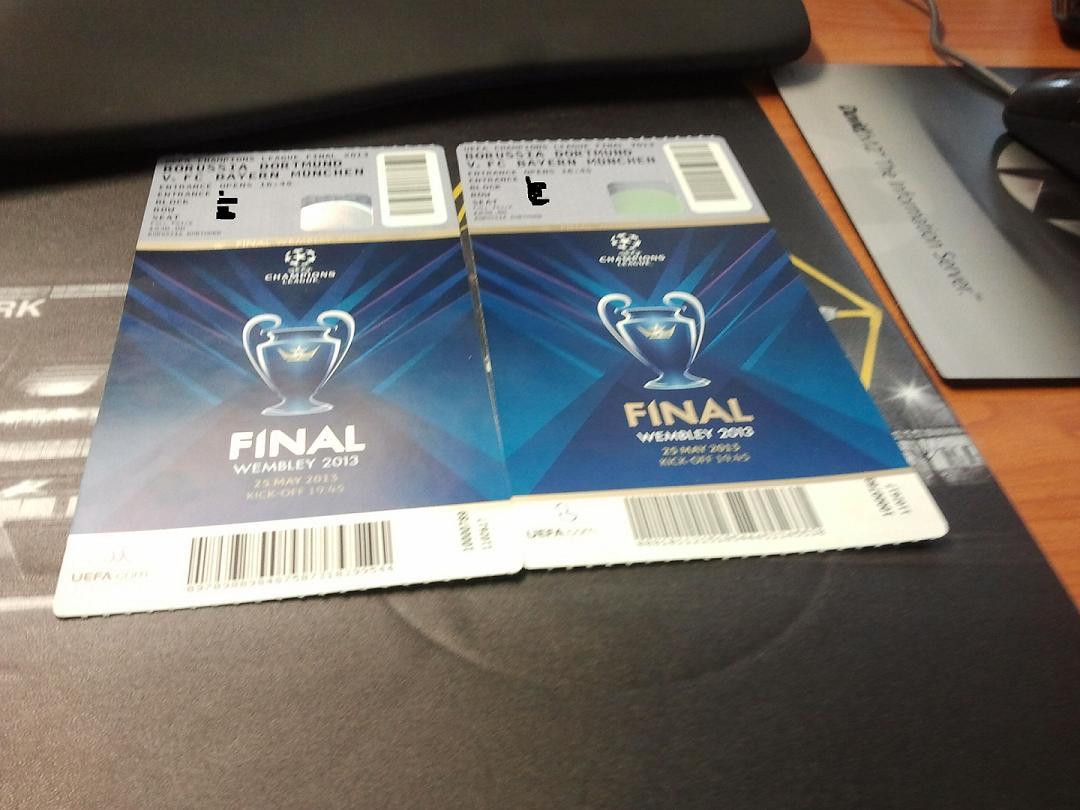
Bayern will be favourites but Dortmund have the support of most neutrals – for it is difficult to resist such an exuberant team and their riveting coach.
"We are a club, not a company," Klopp says, "but it depends on which kind of story the neutral fan wants to hear. If he respects the story of Bayern, and how much they have won since the 1970s, he can support them. But if he wants the new story, the special story, it must be Dortmund. I think, in this moment in the football world, you have to be on our side."


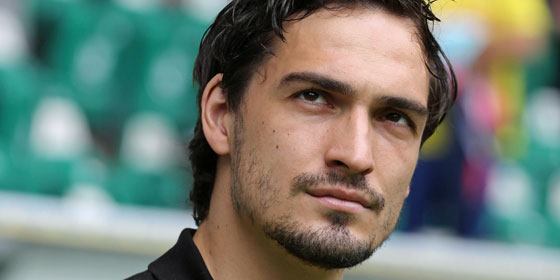


 Verweis auf Götze? Auf die Gefahr hin mich zu blamieren, würde ich mich bei Hummels aber mal ganz weit aus dem Fenster lehnen, dass du seine Aussagen absolut zu 100% ernst nehmen darfst. Man muss nur mal lesen, wie er sich nach dem Götze Transfer geäußert hat. Und generell über die letzten Jahre. Wenn Mats sagt er spielt nächstes Jahr bei uns, dann spielt er nächstes Jahr bei uns.